
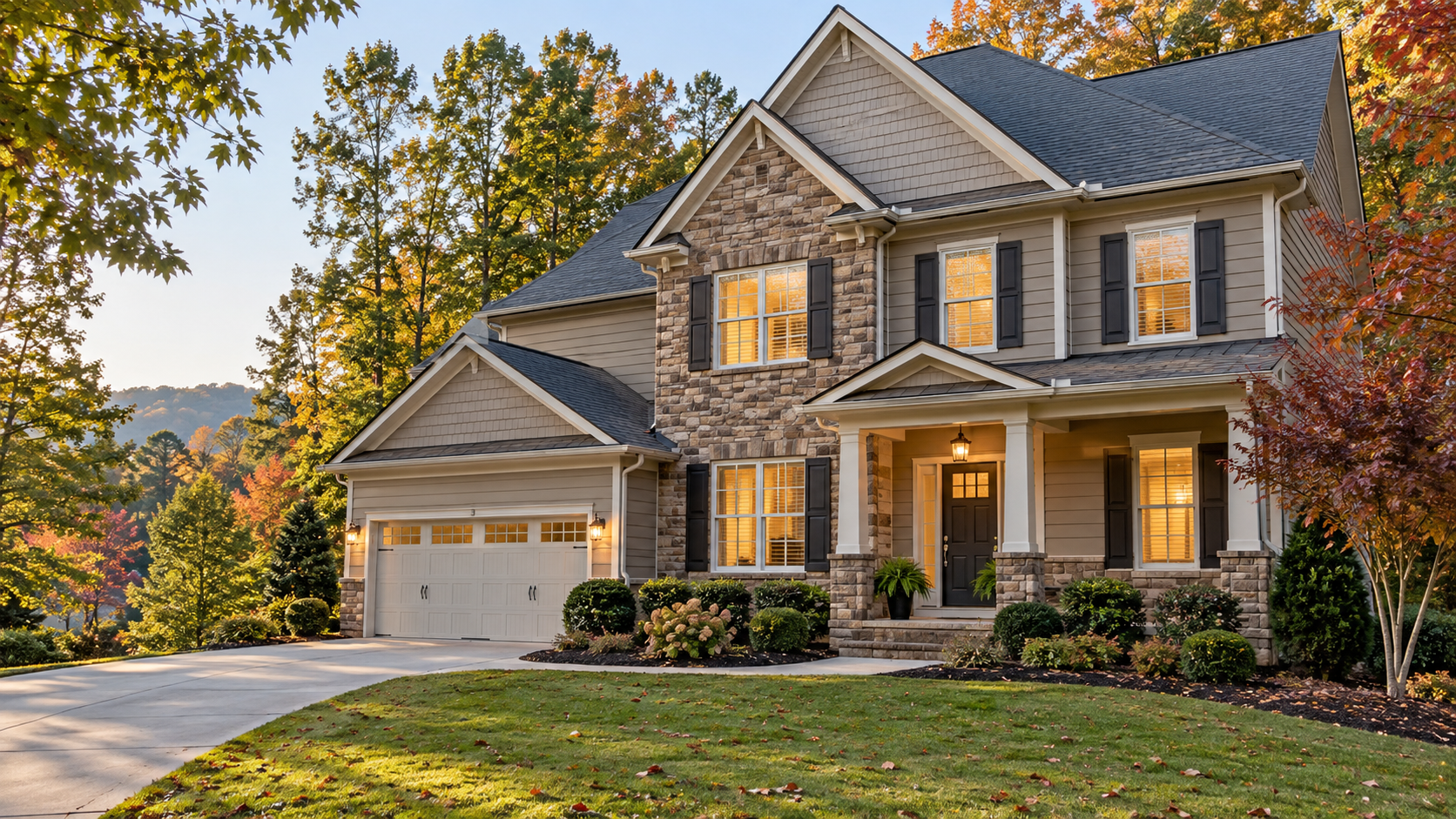
A vacant home can sell well, but it should not be treated like a house you can simply lock and forget. Before you move out, decide who will check the property, which utilities must stay active, how showings will be managed, and what your insurer needs to know. Then put the plan in writing so small issues do not become inspection problems, security concerns, or closing delays.
That matters in Cherokee County, Cobb County, and across North Georgia, where a listing may sit among mature trees, on a sloped lot, above a basement, or farther from the person responsible for it. The goal is not to make the home look occupied. It is to keep it secure, maintained, comfortable for buyers, and ready for the next step in the sale.
1. Tell the insurance company when occupancy changes
Start with the homeowners insurance carrier or agent. Ask how the policy defines “vacant” and “unoccupied,” when a change in occupancy must be reported, and whether the existing coverage remains appropriate while the home is listed.
Do not assume that paying the premium means every risk is handled the same way after move-out. Policy terms vary, and an insurer may ask about the expected vacancy period, maintenance, utilities, security, renovation work, or who will inspect the property. Get the answer for your actual policy and home.
The Georgia Office of the Commissioner of Insurance and Safety Fire advises consumers to read their policies carefully and understand the rights and responsibilities stated in the contract. Its site also provides a license lookup for Georgia insurers and agents. For more context on property-specific coverage questions, see our guide to getting a home insurance quote before due diligence ends.
2. Decide which utilities stay on
Turning off every service can create new problems. A dark, humid, overheated, or unconditioned home may show poorly and can make it harder to operate lights, HVAC equipment, alarms, sump pumps, garage doors, or smart-home devices.
Review the property system by system:
- Electricity: needed for lighting, HVAC, alarms, dehumidification, pumps, and many access systems.
- Water: decide whether service remains active, whether a main valve should be adjusted, and who is authorized to respond to a leak.
- Gas: ask the utility and relevant service professional before changing service to equipment that depends on gas.
- Internet: may be needed for monitored security, cameras, smart locks, thermostats, or leak sensors.
- Trash and exterior services: align pickup, lawn care, pool service, pest control, and seasonal maintenance with the listing schedule.
Coordinate these choices with the insurer, listing agent, utilities, and qualified service providers. The right setup depends on the home, the season, and the equipment in place.
3. Create a named property-check routine
“Someone is keeping an eye on it” is not a plan. Name the person responsible, set a frequency that fits the property and insurance requirements, and use a short checklist.
A useful visit may include:
- checking doors, windows, garage doors, and exterior gates;
- looking for leaks, standing water, unusual odors, or unexpected temperature changes;
- confirming lights, HVAC, alarms, pumps, and internet-connected devices are operating;
- walking the exterior for storm debris, fallen limbs, drainage problems, or signs of entry;
- collecting mail, flyers, packages, and other signals that the home is unattended; and
- documenting the visit and escalating anything that needs prompt attention.
The U.S. Fire Administration distinguishes a vacant property with an engaged, reachable owner from an abandoned property and emphasizes monitoring, securing, and inspecting vacant buildings. A listed home should visibly remain in the first category: owned, managed, maintained, and easy to address when something changes.
4. Protect the home without making showings difficult
Good security and convenient buyer access have to work together. Confirm who controls keys, codes, lockboxes, alarms, cameras, and showing approvals. Remove spare keys from obvious hiding places and delete access for vendors or household members who no longer need it.
If cameras, microphones, smart doorbells, or other recording devices remain active, disclose their presence to your real estate professional and get legal guidance about lawful use. Do not let a security feature create a privacy problem or an uncomfortable showing experience.
Also create an emergency contact chain. Your listing agent, property checker, insurer, and essential vendors should know whom to call if a pipe leaks, the power fails, a tree falls, or a door is found open.
5. Keep the exterior on the same schedule as the listing
A vacant house can look neglected quickly even when nothing serious is wrong. Tall grass, full gutters, scattered branches, overflowing mail, dead plants, or an uncollected trash bin can shape a buyer’s first impression before the door opens.
Set recurring dates for lawn service, leaf removal, gutter checks, pool care, pest control, and seasonal tasks. After strong weather, arrange an extra exterior check rather than waiting for the next routine visit.
If the property has an older roof or recent exterior work, keep invoices and service records accessible. Our guide to selling a home with an older roof explains how to separate documentation, condition questions, and repair decisions before listing.
6. Make every showing resettable
An empty home can be easier to photograph and tour, but it also puts every mark, odor, bulb, and maintenance issue in view. Establish a showing standard that can be restored after each appointment.
- Keep the thermostat and ventilation appropriate for the season and property.
- Use a consistent lighting plan and replace failed bulbs promptly.
- Keep floors, counters, windows, and bathrooms clean.
- Remove mail, vendor notes, tools, cleaning supplies, and valuables.
- Confirm blinds, interior doors, and exterior doors are left in the agreed positions.
- Ask for prompt feedback when a showing reveals an access or property issue.
Empty rooms also change how buyers judge scale. Accurate measurements, clear photography, and a simple floor-plan conversation can help buyers understand function without overfilling the space.
7. Keep documents reachable after the move
Do not pack every property record into an unlabeled box. Create a digital folder for the documents that may matter during marketing, buyer due diligence, appraisal, repair negotiations, or closing.
Useful records can include:
- roof, HVAC, water heater, appliance, and major-system invoices;
- permit and renovation records;
- termite, septic, well, pool, chimney, or solar documents when applicable;
- utility contacts and recent service information;
- HOA or community documents;
- warranties, manuals, transferable service agreements, and access instructions; and
- the names and contact details of people authorized to enter the home.
If renovations were completed, review the permit trail before you list. Organizing records early is usually easier than trying to reconstruct the work under a contract deadline.
8. Build a repair-approval process before something breaks
Vacant-home decisions often slow down because the owner is away, a contractor cannot get access, or no one knows who can approve a repair. Decide in advance:
- who may authorize routine work;
- what spending limit requires owner approval;
- which vendors already have permission to enter;
- how photos, estimates, invoices, and completion evidence will be shared; and
- who performs the final check after the work is done.
This is especially useful when the seller has already moved out of the area or is coordinating another transaction. If two closings are involved, our guide to buying and selling at the same time in North Georgia can help organize the larger sequence.
9. Plan the handoff through closing day
A contract does not end the seller’s responsibility to care for the property. Keep the check routine, insurance, utilities, lawn service, and showing plan active until each can be ended or transferred at the correct time.
Before closing, confirm the final walk-through condition, remaining personal property, keys and remotes, alarm and smart-home access, utility timing, vendor access, and any agreed repairs. Ask the closing attorney, insurer, utilities, and real estate professionals for the dates that apply to their part of the handoff.
A simple vacant-home sale plan
- Before move-out: notify the insurer, photograph the condition, organize records, and name the property checker.
- Before listing: set utilities, security, vendor access, showing rules, and recurring maintenance.
- While active: document checks, respond quickly to feedback, and inspect after storms or service visits.
- Under contract: keep systems running, coordinate access, complete agreed work, and preserve records.
- Before closing: verify condition, keys, codes, remotes, utilities, and the final handoff.
Frequently asked questions
Should I turn off the water in a vacant home for sale?
There is no single answer for every property. Water service may be needed for inspections, cleaning, irrigation, or other systems, while shutting or isolating part of the system may reduce certain leak risks. Ask the insurer, listing agent, utility, and a qualified plumber what fits the home and how any shutoff affects equipment, winterization, showings, and inspections.
How often should someone check a vacant home?
Use the frequency required by the insurance policy and appropriate for the home, season, systems, and recent weather. The key is a specific schedule, a named person, and a documented checklist, not an informal promise to stop by occasionally.
Does an empty house need staging?
Not always. Strong cleaning, lighting, photography, measurements, and a clear presentation can make a vacant home understandable without full staging. Selective staging or virtual staging may help in rooms where scale or purpose is difficult to read, but marketing should accurately represent the property.
Can I sell after moving out of Georgia?
Yes, but distance makes authorization, access, documents, repair approvals, and closing coordination more important. Tax and legal details can vary with residency and ownership, so consult the closing attorney and tax professional about your situation.
Keep the sale active after the house becomes vacant
Moving out can simplify daily life, but it does not put the property on autopilot. Carol can help you build a local listing plan around the home’s systems, condition, access, maintenance, buyer experience, and closing timeline. Schedule a consultation with West Legacy Realty before you move out or as soon as you know the home will be vacant.
This article provides general real estate information, not legal, insurance, tax, utility, safety, or property-management advice. Policy terms, contract duties, local rules, equipment needs, and property conditions vary. Confirm decisions with the appropriate licensed professionals and service providers.
Sources consulted: Georgia Office of the Commissioner of Insurance and Safety Fire: Home Insurance; U.S. Fire Administration: Reducing Arson at Vacant and Abandoned Buildings.