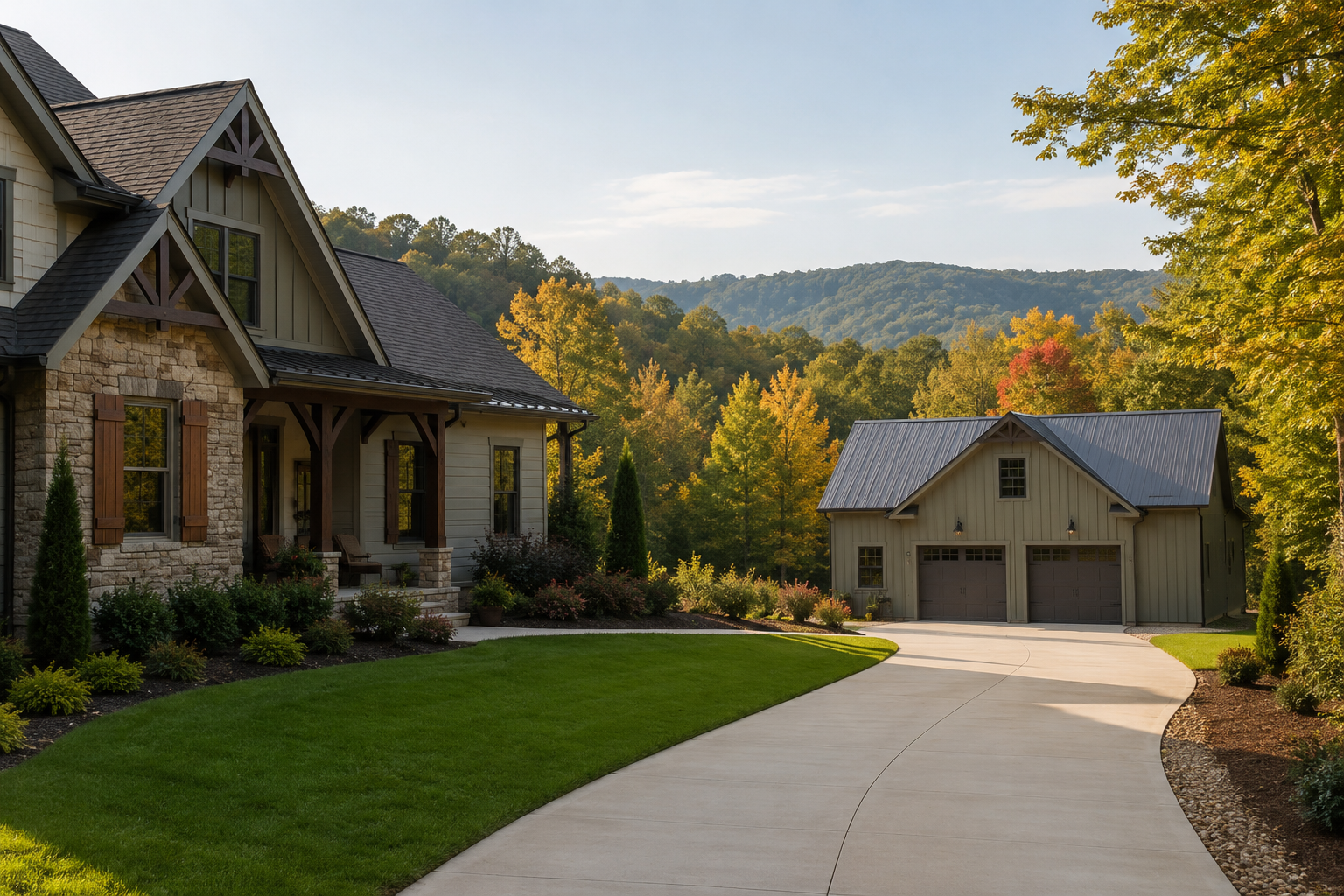
If you are buying a North Georgia home with a detached workshop, do not treat that building as a bonus detail.
For many buyers, the workshop is part of the reason the property makes the shortlist. It may be where you picture woodworking, car projects, storage, a home gym, hobby space, or room for equipment that would crowd the main house. That can be a real advantage in Cherokee County, Cobb County, and the broader North Georgia market, especially on larger lots.
The useful question is not simply, “Is there a workshop?” The better question is whether the detached building actually supports the way you plan to use it. Before you commit, verify the paper trail, the utility setup, the access, and any limits tied to the structure. If you want local help weighing a property with a workshop, comparing alternatives, or planning the right North Georgia move, start here with Carol: https://westlegacyrealty.com/#consultation.
What buyers should know first
A detached workshop can be anything from a simple outbuilding to a much more involved accessory structure with power, climate control, plumbing, storage lofts, or partially finished interior space. That range is exactly why buyers need to slow down.
Cherokee County’s residential permitting guidance specifically lists storage buildings, sheds, and detached accessory structures 200 square feet or larger as permit items in its permitting area. Cherokee also notes that accessory structures are subject to zoning requirements under Section 5.6 of the county zoning ordinance. Cobb County’s residential permitting process likewise includes accessory structures among its permit categories, and Cobb’s enforcement guidance warns against occupying or using an accessory structure without the proper certificate of occupancy or letter of completion. In both counties, buyers can also search records online before closing.
That does not mean every workshop is a problem. It means the workshop deserves the same due diligence you would give a basement, septic system, or private driveway.
1. Confirm what the workshop legally is
Start by asking how the structure is described in the listing, seller disclosure, prior permit record, and county file if one exists. Is it a detached garage, storage building, accessory structure, hobby workshop, or something more finished?
Words matter here. A building that works well for storage may not be represented or approved for every other use a buyer imagines. If you hope to use the space for heavier equipment, regular conditioned use, a business-related function, or anything that changes occupancy expectations, verify what the property record and local rules actually support before you assume the workshop can do it all.
2. Check the permit and completion history before you price the property
In Cherokee County, buyers can search permit records through the county’s online permit tools using an address, parcel number, or application number. In Cobb County, buyers can search building-permit records through the Citizen Access system, and the county also points owners to certificates of occupancy and letters of completion when reviewing residential permit history.
That is the first paper-trail check. Was the structure permitted if it appears to be large, enclosed, or utility-served? If the building looks like more than a lightweight shed, ask whether there was a permit, whether inspections were completed, and whether there is a final completion document where one should exist.
If the record trail feels thin, do not guess. Slow the offer down enough to understand whether you are paying for a true functional asset or for a building with unanswered questions.
If you want a companion guide on this part of the process, West Legacy Realty’s permit-record article is useful here: Planning to Sell in Cherokee or Cobb County? Check These Permit Records Before You List.
3. Look closely at power, lighting, and service capacity
A workshop can look impressive and still function poorly. Open the panel if access is available during due diligence, note whether the building has a dedicated subpanel, and ask what equipment the seller actually ran there.
Buyers using saws, compressors, lifts, welders, freezers, hobby tools, or climate-control equipment need to know more than “it has electricity.” The practical question is whether the power setup matches your intended use without immediate rewiring costs.
This is not a reason to play electrician. It is a reason to ask better questions and bring in the right inspection help when the workshop is a major reason you want the property.
4. Test access and maneuvering, not just the building itself
A detached workshop is only as convenient as the path to it. Check driveway width, slope, turning radius, trailer access, parking spillover, mud after rain, and whether the workshop sits comfortably in relation to the house.
This matters even more on larger or sloped North Georgia lots. A building may look ideal in listing photos but feel awkward if you cannot back in a trailer, reach it easily with equipment, or navigate a long drive after heavy weather.
For properties where access is part of the overall value, this related post may help you frame the broader question: Buying a Home on a Private or Shared Driveway in North Georgia? 8 Checks Before You Offer.
5. Put the workshop on the same map as septic, well, drainage, and future plans
Many workshop-friendly properties in North Georgia also come with septic systems, wells, longer driveways, drainage features, or acreage-related constraints. That means the workshop should not be reviewed in isolation.
If the lot is on septic, think about whether your future plans include an addition, parking expansion, another outbuilding, or outdoor improvements that need the same yard area. If the property uses a well, think about water access, maintenance space, and how the utility layout affects future changes. If there is obvious drainage or a low area near the workshop, compare that against the building’s slab, entry points, and runoff patterns.
These related West Legacy guides can help you stack those questions together: Buying a Home With a Septic System in Cherokee or Cobb County? 7 Checks Before You Offer and Buying a North Georgia Home With Well Water? 7 Checks Before You Commit.
6. Ask what was added later
Detached workshops often evolve over time. A prior owner may have enclosed part of the building, added plumbing, insulated walls, installed mini-splits, built loft storage, poured extra concrete, or extended lean-to coverage after the original structure went up.
Those upgrades may be useful. They can also be the difference between a straightforward workshop and a structure with mixed documentation, outdated wiring, or work that went beyond the original scope.
Ask specifically what changed after the initial build, who did it, and whether any receipts, warranties, or contractor information still exist.
7. Separate lifestyle appeal from resale appeal
A workshop can be a huge personal win if it fits your life. It may not carry the same value for every future buyer. That does not make it a bad purchase, but it does make honest evaluation important.
Think about whether the building adds flexibility that a broad set of buyers would recognize, or whether most of the value is highly specific to your own hobbies and equipment. A beautifully organized workshop with strong utility setup and clean documentation is easier to explain later than an oversized outbuilding with uncertain use history.
8. Build the workshop into your inspection plan
If the detached building is one of the property’s headline features, make sure your due diligence reflects that. Ask your inspector to spend time there. Add specialty follow-up if the electrical setup, slab, moisture, doors, roofline, or utility connections raise questions.
The goal is not to turn a good property into a problem. The goal is to avoid treating a meaningful structure like a side note. When the workshop is part of the purchase decision, it deserves real attention before the contingency window closes.
Questions to answer before you move forward
- How is the workshop described in the listing, disclosure, and public record?
- Is there a permit trail or completion record that matches the structure as it exists today?
- Does the electrical setup support the way you want to use the space?
- Can you comfortably reach, park at, and maneuver around the building?
- Does the workshop conflict with septic layout, well placement, drainage, or future lot plans?
- Were later upgrades documented, or are key details still unclear?
- How much of the value is practical and transferable versus highly personal?
A good workshop should make the property easier to live with, not harder to understand
The best detached-workshop properties in Cherokee County, Cobb County, and North Georgia feel useful on day one and understandable on paper. That is the sweet spot. A workshop can absolutely be a reason to buy. It just should not be a reason to skip the details.
If you want help comparing homes with outbuildings, acreage, utility trade-offs, or county-specific due diligence questions, Carol can help you sort through the practical next step before you commit. Reach out here: https://westlegacyrealty.com/#consultation.
FAQ
Do detached workshops always need permits in Cherokee County?
Not always, but Cherokee County specifically lists storage buildings, sheds, and detached accessory structures 200 square feet or larger as permit items in its permitting area. Buyers should verify the actual structure and jurisdiction instead of assuming.
What should Cobb County buyers ask for on a workshop property?
Ask for permit history, any available completion documents, and clarity on whether the home is in unincorporated Cobb County or a city with separate permitting authority.
Is a detached workshop a resale risk?
It can be a strength when the structure is functional, well-maintained, and clearly documented. It becomes harder to value when use limits, utility capacity, or permit history are unclear.