
Yes: buyers should try to get a property-specific homeowners insurance quote as soon as they are under contract and early enough to use the information during their negotiated due-diligence period. A generic estimate can help with initial budgeting, but it cannot account for the roof, construction, claims questions, deductible options, special features, or location of the home you are actually buying.
That timing matters in Cherokee County, Cobb County, and across North Georgia. Two homes with similar prices can produce different coverage options and premiums. The quote can also reveal questions worth sending to the seller, inspector, lender, or insurance professional before a contractual deadline passes.
Why the insurance quote belongs beside the home inspection
A home inspection and an insurance quote answer different questions. The inspector evaluates visible property conditions and systems within the scope of the inspection. The insurer evaluates the coverage it is willing to offer, the policy terms, deductibles, and price.
The Consumer Financial Protection Bureau recommends contacting several companies, getting quotes in writing, comparing costs and coverage amounts, and sharing a prospective quote with the loan officer. Lenders generally require proof of homeowners insurance for a mortgaged purchase, but waiting until closing week can leave very little time to compare choices.
Your purchase agreement controls your actual deadlines. Before making an offer, ask your real estate professional how the proposed due-diligence period and other contract dates affect the time available for inspection, insurance research, lender review, and any follow-up negotiations.
1. Quote the address, not just the purchase price
Start with the exact property address and the best available facts about the home. A useful quote may require details such as:
- year built, square footage, and construction type;
- roof age, material, and known replacement or repair records;
- heating, electrical, plumbing, and water-heater information;
- finished basement or lower-level living area;
- fireplaces, wood stoves, pools, detached structures, or solar equipment; and
- occupancy plans, lender requirements, and the target closing date.
Do not guess when a document or inspection can provide a better answer. If the seller has roof invoices, permits, inspection records, or equipment paperwork, those records may help the insurance professional evaluate the property accurately.
2. Surface the property features that may change the conversation
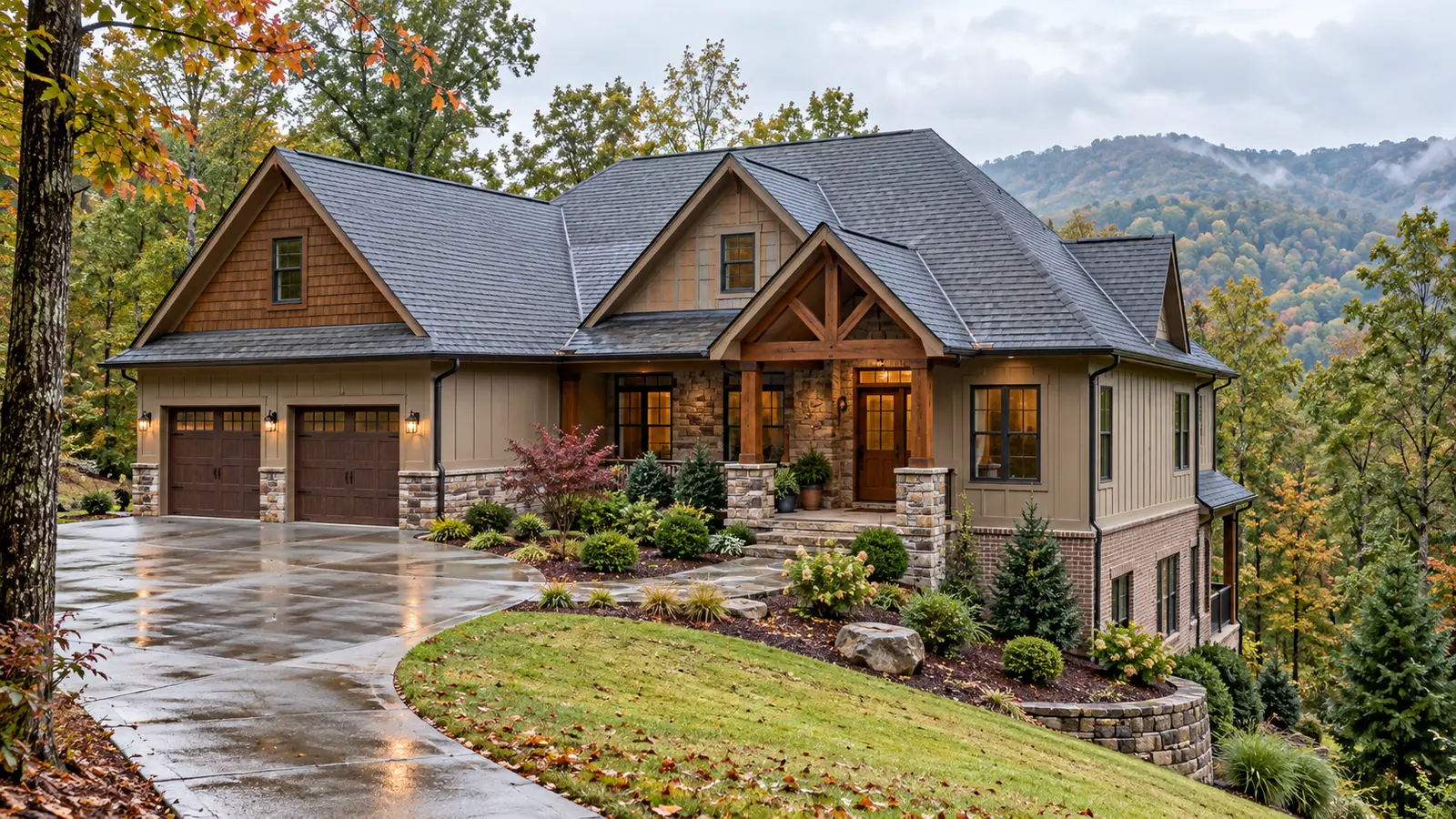
North Georgia homes can combine wooded lots, sloped driveways, lower levels, fireplaces, pools, accessory buildings, and roofs of very different ages. None of those features automatically makes a home uninsurable. They do mean the quote should reflect the actual property rather than a simplified online estimate.
Use the general inspection to identify follow-up questions, then bring the relevant facts to the insurance professional. West Legacy Realty has separate buyer guides for homes with fireplaces, homes with pools, and address-specific internet verification. Each guide can help you organize questions without treating one feature as the whole buying decision.
3. Compare coverage, not only the annual premium
A lower premium is not automatically a better policy. Compare written quotes on the same basis and ask the agent to explain meaningful differences.
- Dwelling limit: Is the structure insured using a rebuild estimate appropriate for the home?
- Settlement basis: Does the policy use replacement cost or actual cash value for the dwelling, roof, or personal property?
- Other structures: How are a detached garage, workshop, fence, or shed handled?
- Water-related coverage: What is covered, excluded, or available by endorsement?
- Liability and loss of use: What limits and conditions apply?
- Policy exclusions: Which events or property features require separate coverage or are not covered?
The Georgia Office of the Commissioner of Insurance explains that replacement cost generally reflects the amount needed to repair or rebuild with materials of similar kind and quality without subtracting depreciation, while actual cash value accounts for depreciation. Ask how those definitions apply to each quote rather than assuming every part of the policy is settled the same way.
4. Put every deductible in dollars
A deductible is the amount the policyholder is responsible for before covered insurance benefits apply. Do not compare only the headline deductible. Ask whether the policy has separate deductibles for wind, hail, or other events, and whether any deductible is stated as a percentage rather than a flat dollar amount.
Convert percentage deductibles into dollars using the applicable insured value, then decide whether that amount fits the household’s emergency reserves. A premium can look attractive while transferring more of a potential loss back to the owner.
5. Check flood and water questions separately
Standard homeowners insurance generally does not cover flood damage. The CFPB advises buyers to determine whether separate flood insurance is needed, and the insurance professional and lender can explain their requirements and available options.
A mapped flood zone is not the only water question for a buyer. Ask about surface drainage, lower-level water history, sump pumps, sewer or drain backup options, and how water exclusions and endorsements are written. For properties with a basement, this North Georgia basement drainage checklist can help frame inspection questions. Flood-risk and insurance decisions should be confirmed through FEMA resources, the lender, and a licensed insurance professional.
6. Feed the real premium back into the monthly-payment decision
The lender’s early estimate is not the insurer’s final quote. The CFPB notes that homeowners insurance is often included in the total monthly mortgage payment through an escrow account, and the first year’s premium is commonly paid at or before closing.
Send the written quote to the loan officer and ask for an updated estimate of the monthly payment and cash needed at closing. That keeps the affordability discussion tied to the chosen property and policy instead of an early placeholder.
7. Confirm the path from quote to active coverage
Before closing, confirm what the insurer still needs and when coverage will take effect. Depending on the property and carrier, follow-up may include photos, inspection information, repair documentation, lender details, or a post-binding inspection.
Ask these practical questions:
- How long is the quote valid?
- What information could change the quote or eligibility?
- When must payment and lender information be provided?
- Will the insurer require an inspection after the policy is issued?
- What happens if that inspection identifies a condition to address?
- When will proof of coverage be available for the lender and closing attorney?
Keep the final policy declarations, endorsements, payment confirmation, and agent contact information with the closing records.
A practical insurance timeline for a North Georgia buyer
- Before the offer: Ask how insurance research fits the proposed contract timeline.
- Immediately after binding: Send the property address and known features to more than one licensed insurance provider.
- During inspections: Update the quoting agent with verified roof, system, pool, fireplace, basement, solar, or accessory-structure details.
- Before the due-diligence deadline: Compare written terms, deductibles, exclusions, and price; raise unresolved property questions promptly.
- Before lender deadlines: Select the policy, provide mortgagee information, and confirm that the lender accepts the coverage.
- Before closing: Verify the effective date, premium payment, proof of insurance, and any remaining inspection requirements.
Frequently asked questions
Can I shop for my own homeowners insurance company?
Yes. The CFPB says buyers can choose their homeowners insurance company, although the policy still needs to meet applicable lender requirements. Georgia consumers can use the state insurance regulator’s license lookup to confirm that a company or agent is licensed in Georgia.
Does a mortgage estimate already include the exact insurance cost?
Not necessarily. Early loan documents may include an estimate. A property-specific insurance quote provides a better number to share with the loan officer for an updated monthly-payment and closing-cost discussion.
Does homeowners insurance cover flooding?
Standard homeowners policies generally do not cover flood damage. Ask separately about flood risk, lender requirements, and available flood insurance. Do not assume that being outside a high-risk mapped zone means the property has no flood exposure.
Should I wait for the home inspection before requesting a quote?
You can start the quote as soon as the property is under contract, then update it when the inspection or seller documents clarify roof age, systems, and special features. Starting early preserves time for comparison and follow-up.
Make the quote part of the offer strategy
An insurance quote is more useful when it arrives early enough to affect the decision. Carol can help you organize property records, inspection timing, lender questions, and the contract calendar while your licensed insurance professional advises you on coverage. Schedule a consultation with West Legacy Realty before you offer or as soon as you go under contract.
This article provides general real estate information, not legal, insurance, lending, or financial advice. Policy terms, availability, premiums, underwriting, lender requirements, and contract deadlines vary. Review your situation with the appropriate licensed professionals.
Sources consulted: Georgia Office of the Commissioner of Insurance and Safety Fire: Home Insurance; Consumer Financial Protection Bureau: Shop for Homeowner’s Insurance; CFPB: What Is Homeowner’s Insurance?; CFPB Loan Estimate Explainer; FEMA: Flood Insurance.