A fireplace can make a North Georgia home feel instantly inviting, especially as cooler weather approaches. But when you are buying a home in Cherokee County, Cobb County, or nearby North Georgia communities, the right question is not simply, “Does the fireplace work?” You want to understand what type of system it is, how it has been maintained, whether visible conditions suggest a larger issue, and what you may need to budget or verify after closing.
Before you write an offer, treat the fireplace and chimney like any other specialized home system: review what you can see, ask for records, and bring in the right professional when the condition or history is unclear.
1. Identify what kind of fireplace you are actually buying
Start by confirming whether the home has a traditional masonry wood-burning fireplace, a factory-built wood-burning unit, a vented gas fireplace, gas logs installed in a masonry firebox, an electric insert, or another configuration. The maintenance needs, venting, components, and inspection questions can differ significantly.
Do not assume that a gas flame means the entire system is simple or maintenance-free. Ask what fuel source serves it, whether there is a dedicated shutoff, what equipment is installed, and whether the current owner has operating manuals or service records.
2. Look closely at the firebox, hearth, and visible masonry
During a showing, you can make a basic visual review without trying to diagnose the system yourself. Look for loose or cracked masonry, damaged firebrick, missing mortar, staining, rust, gaps around trim, or signs that prior repairs were made.
A cosmetic crack and a structural or heat-related problem are not the same thing. If something looks questionable, note it for the home inspector or a qualified fireplace/chimney professional rather than guessing from appearance alone.
3. Ask about chimney and fireplace service history
Ask the seller whether the fireplace has been used regularly and when it was last professionally inspected, cleaned, or serviced. If records exist, review them. If the fireplace has not been used in years, that is still useful information because inactivity does not automatically confirm that the chimney, flue, damper, cap, flashing, or appliance is ready for use.
If you plan to rely on the fireplace as an important feature, consider making fireplace-specific due diligence part of your inspection plan instead of waiting until the first cold evening after closing.
4. Check the chimney exterior and roof connection
From the ground, look at the chimney crown or cap if visible, the exterior masonry or siding, and the area where the chimney meets the roof. You are looking for obvious deterioration, leaning, missing caps, damaged flashing, heavy staining, or vegetation close to the structure.
You may not be able to evaluate these areas safely from a showing. That is exactly why inspection matters. The chimney-to-roof connection is also one place where water intrusion can show up inside the home, so ceiling stains or moisture around the fireplace deserve follow-up.
If you are already thinking about water management and moisture, our guide to basement and drainage checks before buying a North Georgia home is a useful companion.
5. Confirm whether alterations or renovations need documentation
Fireplaces are often changed over time. A homeowner may add gas logs, convert a wood-burning fireplace, install an insert, rebuild masonry, modify the hearth, or perform broader renovation work around the system.
Permit requirements depend on the exact work and the jurisdiction. Cherokee County currently states that permits are required for many additions and renovation projects in its permitting area, and the county advises owners to ask when they are unsure whether a permit is required. Current Cherokee County building guidance also reflects the 2024 International Residential Code and related Georgia-amended codes effective in 2026. Buyers should verify the permit history and applicable requirements for the specific property rather than assuming past work was exempt.
If renovations are part of the home’s story, also review our guide to checking permit records before a Cherokee or Cobb County sale. The same records can help buyers understand how major changes were documented.
6. Test the feature only when it is appropriate and authorized
A buyer should not light a fireplace during a showing without the seller’s permission and appropriate supervision. If the system is operational and testing is part of a professional inspection, pay attention to ignition, controls, unusual odors, visible smoke movement, blower operation, and whether the inspector recommends additional specialty evaluation.
For gas systems, the home inspector may also identify whether further review by a licensed contractor is appropriate. For wood-burning systems, a chimney professional may recommend a more detailed inspection based on visible conditions or the home’s history.
7. Separate the emotional value from the ownership cost
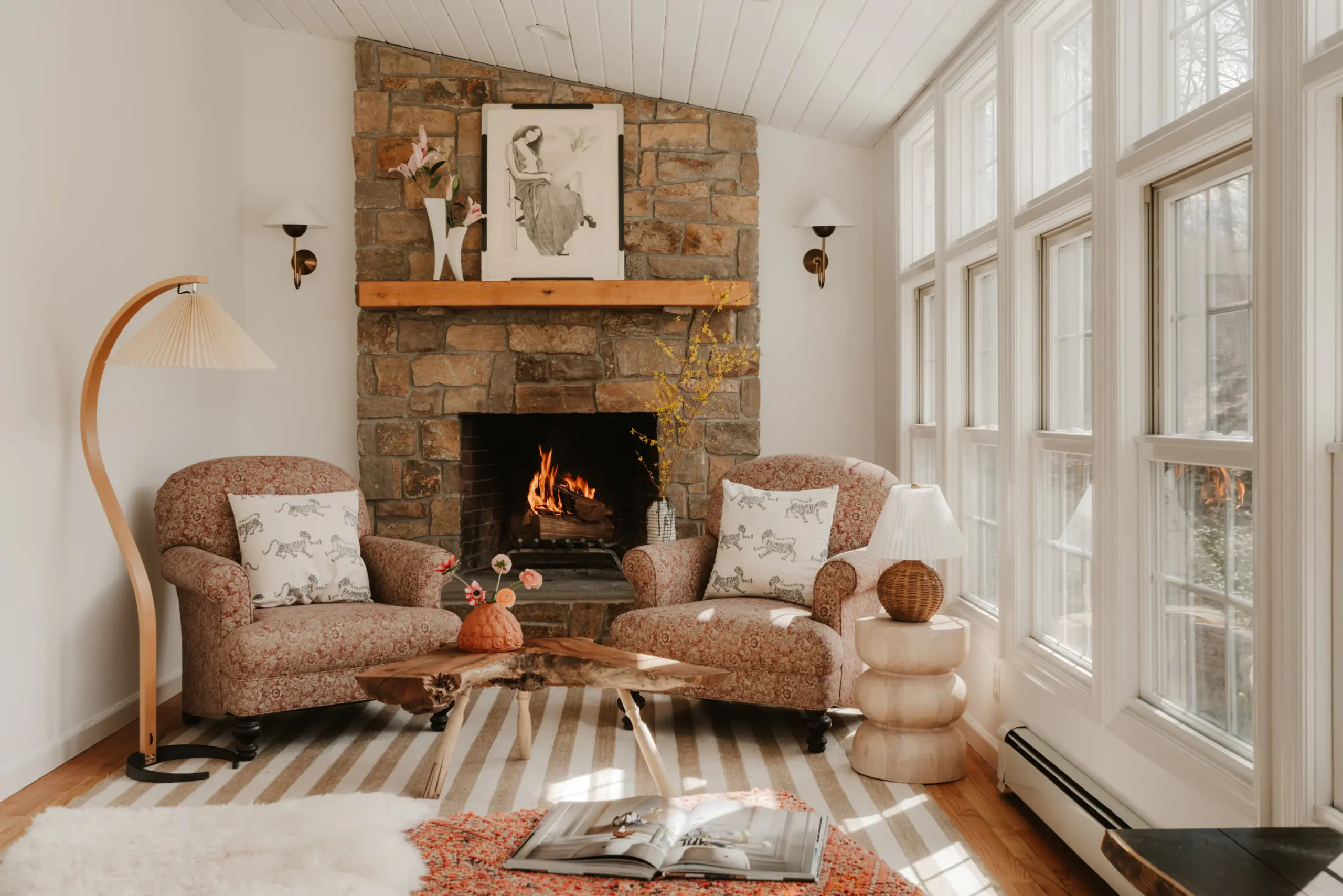
A beautiful stone hearth can be a major lifestyle feature, but it should not distract from the practical questions. Ask yourself how often you expect to use it and what ongoing cleaning, inspection, fuel, repair, or component replacement may be involved.
This is the same mindset we recommend for other specialty home features. A pool, septic system, detached workshop, or fireplace can all add real enjoyment, but each deserves its own due-diligence questions. If you are comparing homes with specialized features, see our pool-buying checklist for Cherokee and Cobb County for another example of how to evaluate the feature separately from the rest of the house.
8. Put unresolved questions into your inspection and offer strategy
If the fireplace matters to your purchase decision, write down the questions before you offer. Useful items can include:
- What type of fireplace and venting system is installed?
- When was it last inspected or serviced?
- Are there receipts, manuals, or repair records?
- Has it been converted or modified?
- Were permits or inspections required for that work?
- Is there evidence of water intrusion, damaged masonry, rust, or deterioration?
- Does the general home inspector recommend a chimney or fireplace specialist?
- What repairs or maintenance should you plan for after closing?
The goal is not to turn every fireplace into a red flag. It is to understand what you are buying before the cozy feature becomes an unexpected project.
What should buyers do before the first cold snap?
If you are under contract on a home with a fireplace, make the fireplace part of your normal due-diligence process. Confirm the system type, review available maintenance and permit records, inspect visible conditions, and follow through on any recommendation for specialty evaluation before you rely on it.
For Cherokee County properties, current county guidance says building permits and inspections are used to verify compliance with applicable codes, and its 2026 guidance reflects updated state-adopted construction codes. For Cobb County and incorporated cities in either county, requirements can vary by location and scope of work, so verify with the correct local building department for the property.
Planning a move in Cherokee County, Cobb County, or North Georgia?
Carol can help you compare the practical details that do not always show up in listing photos—from specialty systems and property records to commute, lot, and maintenance considerations. Schedule a consultation with West Legacy Realty to talk through your home search and the questions that matter most to you.
This article is general real-estate information, not a substitute for advice from a licensed home inspector, chimney professional, contractor, engineer, attorney, insurance professional, or local code official.