
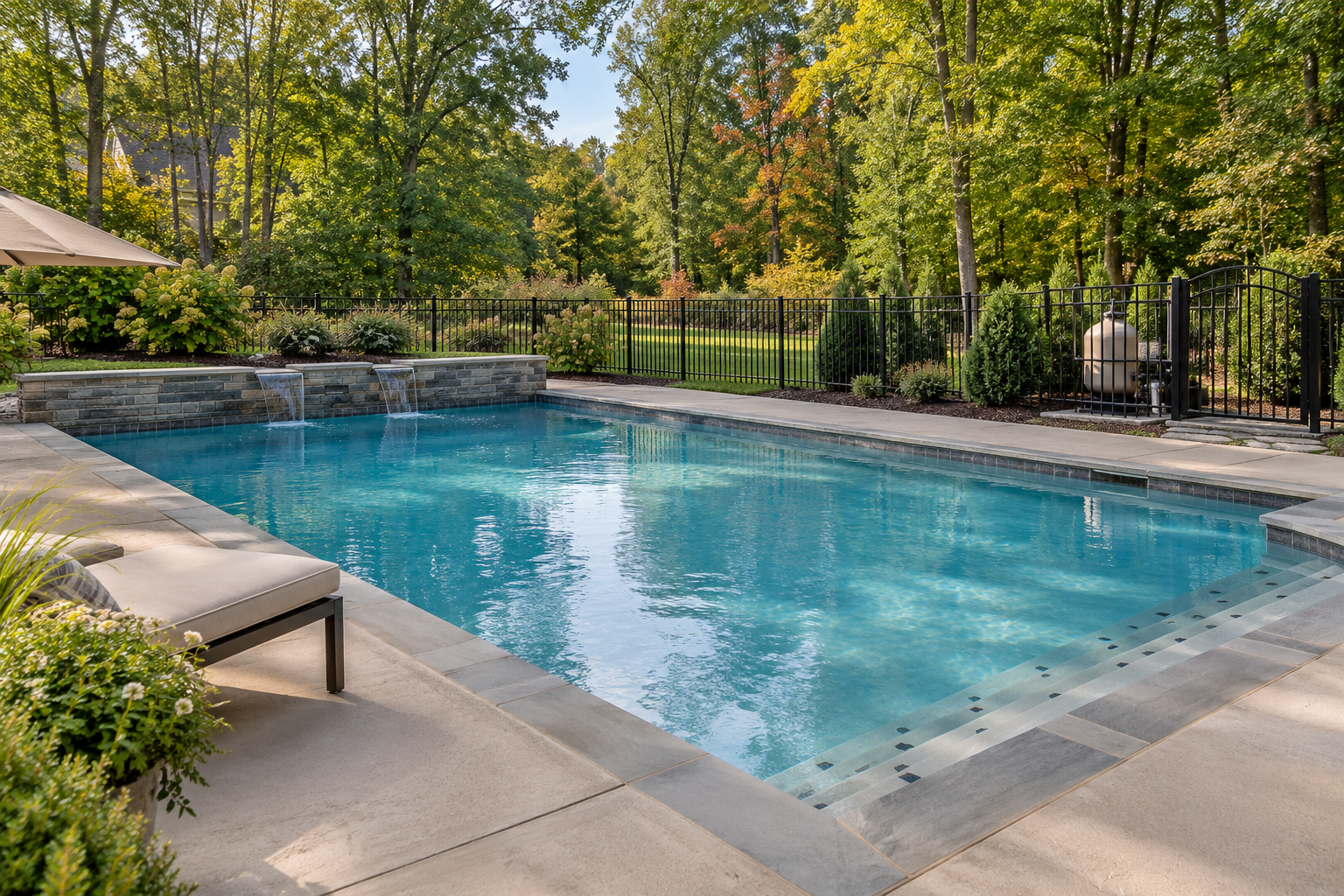
Buying a home with a pool in Cherokee or Cobb County calls for more than checking whether the water looks clear. Before you offer, confirm the permit trail and safety barrier, arrange a pool-specific inspection, review the shell and deck, test the equipment, study drainage, and ask for operating and repair records. A beautiful pool can be a real lifestyle benefit, but only when you understand its condition, responsibilities, and likely near-term work.
Late summer and early fall can be a useful time to evaluate a pool because the system may still be operating and the seller may have a full season of service records. Here are nine checks that can help you compare a pool home with clearer eyes.
1. Confirm who has jurisdiction over the property
Start with the address. A property may be in unincorporated Cherokee County, unincorporated Cobb County, or inside a city such as Canton, Woodstock, Marietta, Acworth, Kennesaw, Powder Springs, or Smyrna. The responsible building and zoning office can change with the jurisdiction.
Ask which agency issued the original pool permit and any later electrical, gas, fence, retaining-wall, deck, or accessory-structure permits. Do not assume that a tax record, listing description, or visible fence proves every approval is complete. If you need a broader pre-offer process, review our guide to checking permit records before a sale; buyers can use the same paper-trail mindset.
2. Verify the permit and final inspection trail
Request copies of the pool permit, approved site plan, inspection results, and final approval when available. Compare those records with what is actually on the property. A later-added heater, outdoor kitchen, retaining wall, spa, diving feature, or electrical panel change may have its own requirements.
Cherokee County currently publishes a residential swimming-pool application and pool ordinance materials. Its application asks about matters such as setbacks, floodplain status, septic approval, the serving utility, the required barrier, and related outdoor features. That is a good reminder that the pool itself is only one part of the review. For a Cobb County address, confirm the records and current requirements with Cobb Community Development or the applicable city before relying on a prior owner’s understanding.
3. Look closely at the safety barrier and gates
A pool barrier should be treated as a safety system, not just landscaping. Walk the entire perimeter. Check the height, gaps, bottom clearance, gate swing, self-closing action, self-latching hardware, locks, and any doors from the house that open into the pool area.
Cherokee County states that a residential pool barrier must be at least five feet high and continuously restrict access, with latches positioned out of children’s reach. Its current pool materials include more detailed requirements. Because codes and site conditions differ, have the responsible local office or a qualified pool professional confirm what applies to the specific address. Never assume an older installation is compliant simply because it has been there for years.
4. Order a pool-specific inspection
A general home inspection may identify visible concerns, but a dedicated pool inspection can go deeper into the shell, coping, tile, deck, circulation, electrical bonding, lights, drains, pumps, filters, heaters, controls, and safety features. Ask exactly what the inspector’s scope includes.
Try to have the system running during the inspection. If the pool has already been winterized or partially closed, document which components could not be tested and decide how that uncertainty will be handled in the contract. Our broader guide to drainage checks before an offer is also useful when the pool sits downhill from the house or near a basement.
5. Separate cosmetic wear from structural concerns
Faded finish, stained plaster, loose tile, cracked coping, and deck movement do not all carry the same meaning. Ask the inspector to distinguish maintenance items from signs that deserve specialist evaluation.
Look for recurring cracks, uneven settlement, hollow-sounding areas, rust staining, leaking at fittings, and unexplained water loss. Compare the seller’s repair history with visible conditions. If resurfacing, deck replacement, or major masonry work may be approaching, get a local estimate before treating the issue as a simple cosmetic project.
6. Test the equipment as a connected system
The pump, filter, valves, cleaner, heater, sanitizer, automation, lights, and water features work together. One functioning component does not prove the whole system is healthy.
Ask for model numbers, approximate ages, manuals, warranty information, and service invoices. Watch for noisy bearings, leaking unions, damaged valves, cloudy sight glasses, corroded connections, error codes, or equipment that cannot be demonstrated. Confirm whether the heater is gas, electric, or solar and whether the related service and controls are operating safely.
7. Study drainage, grading, trees, and nearby structures
Observe where rainwater, deck runoff, and backwash water go. Check whether water appears to move toward the house, neighboring property, retaining walls, or the pool. Mature trees can provide shade, but they also add debris and root considerations. Retaining walls, slopes, and tight side yards may affect access for future repairs.
If the property uses septic, confirm the relationship between the pool, drain field, repair area, and any later improvements. Cherokee County’s development guidance notes that projects involving septic systems may require Environmental Health approval. An address-specific survey and record review can prevent a pleasant backyard feature from obscuring a site-planning problem.
8. Reconstruct one year of ownership
Ask the seller for a practical operating history: opening and closing dates, weekly service invoices, chemical purchases, water added, electricity or gas use, repairs, and any unusual water loss. The goal is not to predict an exact future cost. It is to understand how this particular pool has been used and maintained.
Also ask what stays with the property: cover, safety equipment, cleaner, storage system, furniture, removable fencing, and maintenance tools. Confirm those items in the contract rather than relying on listing photos or a conversation.
9. Check insurance and plan the final walkthrough
Talk with your insurance professional early. Coverage, underwriting questions, liability considerations, and required safety measures vary by carrier and property. If the pool has a slide, diving board, spa, or other special feature, raise it specifically.
Before closing, repeat the practical checks that matter: water level, visible leaks, operating equipment, gate and latch function, included accessories, and the condition of any negotiated repair. Keep final invoices, permits, warranties, and operating instructions together for your first season as owner.
A smart offer starts with the right questions
A pool should fit both the way you want to live and the work you are comfortable owning. The best time to understand the system is before deadlines begin to compress your choices.
Carol can help you compare pool homes, organize address-specific due diligence, and build the right inspection and document questions into your buying plan. Schedule a consultation with West Legacy Realty before you make your next move in Cherokee County, Cobb County, or North Georgia.
Frequently asked questions
Is a regular home inspection enough for a swimming pool?
Not always. Inspection scopes differ, so ask whether the general inspector fully evaluates pools and spas. A pool specialist may provide a more detailed assessment of the shell, deck, equipment, electrical components, heater, and safety systems.
Should I buy a home if the pool is already closed for the season?
You can, but some components may be impossible to test. Identify what remains unverified, request records, discuss contract options with your real estate professional, and consider specialist advice before the due-diligence deadline.
Can I rely on the seller’s statement that the pool was permitted?
Treat it as a starting point. Verify the responsible jurisdiction, request the permit and final inspection record, and compare the approved work with current conditions. Requirements may also apply to barriers, electrical work, gas service, decks, walls, and later additions.
This article provides general real estate education, not legal, engineering, insurance, code-compliance, or pool-safety advice. Requirements and property conditions vary. Confirm current rules and records with the authority responsible for the specific address and consult qualified professionals.