
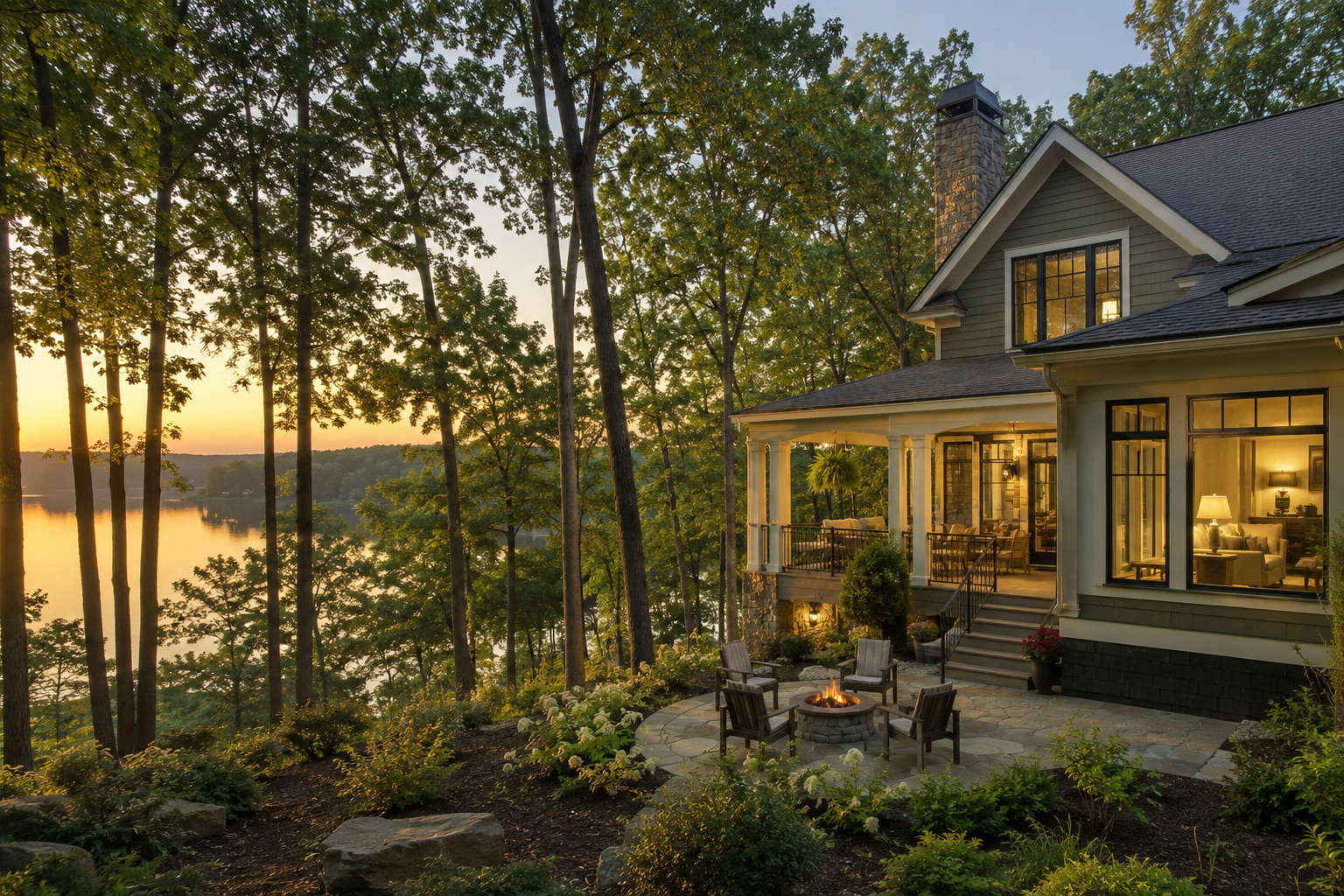
Buying near Lake Allatoona can be a great lifestyle move, but it pays to separate “close to the lake” from the kind of access and shoreline reality you actually want. In Cherokee County, Cobb County, and nearby North Georgia areas, buyers sometimes assume a lake-adjacent home automatically means simple dock access, flexible shoreline use, and the same day-to-day experience year-round. That is not always how it works.
The practical answer is this: before you make an offer, confirm what kind of lake access the property really has, whether U.S. Army Corps of Engineers shoreline rules affect your plans, how the lot relates to public land and boundary lines, and whether weekend traffic or launch-day logistics fit the way you want to use the area. The U.S. Army Corps of Engineers says Allatoona Lake has 270 miles of shoreline, and it manages the shoreline and shoreline-use permitting. Its public shoreline maps also show that only areas zoned for limited development allow shoreline use permits.
If you want help comparing lake-area homes in Cherokee County, Cobb County, or another North Georgia community, schedule a consultation with Carol here.
Why Lake Allatoona buyers need a different checklist
Lake-area home shopping can pull buyers in quickly. Views, wooded lots, basement space, porches, and proximity to marinas or parks can make a home feel like an easy yes. But the property decision is often more nuanced than a standard suburban search. The lot lines, access pattern, shoreline rules, and distance to usable recreation can matter just as much as the home itself.
That does not mean lake-area homes are harder to buy. It means the due-diligence questions should match the setting. Buyers who slow down long enough to clarify access, public-land boundaries, and intended use usually make cleaner decisions and avoid the most frustrating surprises later.
7 questions to ask before you offer on a home near Lake Allatoona
1. What does “lake access” actually mean for this property?
Start with the plainest possible question. Does the property have direct water access, neighborhood access, nearby public access, or simply a short drive to the lake? Those are very different experiences. A listing can sound lake-friendly and still leave you relying on a public launch, a day-use park, or a marina rather than direct shoreline use.
Buyers should match the answer to how they plan to use the area. Someone who wants occasional weekends on the water may be perfectly happy with nearby public access. Someone who expects a more immediate shoreline experience should verify the details early.
2. Is the shoreline in a zone that allows shoreline-use permits?
The Corps’ Allatoona shoreline zoning maps matter here. According to the Corps, only shoreline areas zoned for limited development allow shoreline use permits. That does not automatically mean a property qualifies for what you want, but it does mean the zoning map is part of the conversation if a buyer is thinking about permitted shoreline uses.
If a home is being considered partly because of long-term lake-use plans, this is worth checking before the deal gets emotionally expensive.
3. Where is the public land boundary, and what sits on the Corps side?
One of the easiest mistakes buyers make is assuming the landscaped area behind a home functions like ordinary private backyard space all the way to the water. The Corps states that it manages the entire shoreline of Allatoona Lake, and adjacent landowners may not alter or place personal property on those public lands without the appropriate permit. It also notes that unpermitted encroachments can include roads, sheds, fences, and other improvements.
That makes boundary awareness essential. A home can still be a great fit even when Corps land affects the lot. You just want to know what is private, what is public, and what that means for your plans.
4. How convenient is the property on a real summer weekend?
Lake proximity can feel different on a Tuesday morning than it does on a warm Saturday when ramps, marinas, and park roads are busy. This is less about ranking one area over another and more about realism. Test the route, notice the parking and turn patterns nearby, and think about how often you want to use the lake compared with how often you simply want to live near it.
For some buyers, the ideal balance is a quieter neighborhood with easy driving access to recreation. For others, the whole point is being closer to the energy of the lake. The right answer depends on the lifestyle you are buying into.
5. Does the lot support the way you want to live outdoors?
Even if a property is not meant for direct shoreline use, the lot still matters. Slope, stairs, retaining features, driveway grade, shaded areas, basement entry, storage for outdoor gear, and parking for guests or trailers can all affect day-to-day usability. The home may be near the lake, but the question is whether it works well for the way you would actually spend time there.
This is especially important when two homes have similar price points but very different outdoor flow.
6. What recreation access points are nearby, and how much of that access is public?
The Corps’ public Allatoona information shows a broad recreation network, including campsites, picnic sites, marinas, and day-use resources. That is useful context for buyers because “lake lifestyle” does not always depend on private shoreline rights. In some cases, the better fit is a home with easier access to public recreation rather than a more complicated shoreline situation.
This can be a strong conversation point when buyers are comparing Cherokee County and Cobb County addresses that serve different routines equally well.
7. Are you buying a view, a routine, or a future project?
These are not the same purchase motivations. A buyer focused on view and atmosphere may care most about privacy, outdoor living, and proximity. A buyer focused on a regular boating or fishing routine may care more about launch convenience, storage, and access patterns. A buyer imagining future improvements needs to understand permits, boundaries, and constraints before assuming the property can evolve the way they want.
Clarifying that goal early can make the rest of the decision much easier.
What buyers should not assume near Lake Allatoona
Do not assume a home with a lake mention in the listing has the same utility as a home with verified access. Do not assume the maintained area behind a home is all private land. And do not assume proximity automatically equals convenience if weekend access and daily driving patterns matter to you.
The better approach is to compare the property against your intended use, then confirm the access, boundaries, and route reality that matter most.
A practical Lake Allatoona buyer shortlist
- Confirm whether the property has direct, neighborhood, or public lake access.
- Review Corps shoreline zoning if shoreline use is part of your plan.
- Clarify where public shoreline land begins and what improvements are permitted.
- Test the route on a realistic weekend or afternoon timing window.
- Check whether the lot supports parking, stairs, storage, and outdoor living the way you want.
- Compare public recreation access, not just distance-to-water wording in the listing.
Local context matters more than generic lake-home advice
Generic lake-house advice usually tells buyers to check views, flooding, and maintenance. That is not wrong, but it often misses the more practical question around Lake Allatoona: what kind of lake relationship does this property actually give you? In Cherokee County and Cobb County, two homes can both market a lake lifestyle while delivering very different access, public-land boundaries, and weekend routines.
If you are comparing a broader site decision, Carol’s recent guide on buying land in North Georgia is a helpful companion. Buyers who are pressure-testing home function can also use the flex-room evaluation guide for Cherokee and Cobb homes.
FAQ
Does being close to Lake Allatoona mean I can automatically add a dock?
No. Shoreline use depends on the specific location and applicable Corps rules and permits. Buyers should verify the shoreline zoning and property situation instead of assuming.
Is a home near the lake still worth considering if it does not have direct shoreline access?
Absolutely. Many buyers are better served by a home with strong public recreation access, better daily convenience, or a more usable lot than by a more complicated shoreline setup.
Why do boundary lines matter so much?
Because the Corps manages the shoreline and public land around the lake. Knowing where private property ends helps buyers avoid incorrect assumptions about improvements, storage, and use.
Make the lake decision with the whole picture in view
The best Lake Allatoona home is not always the one with the strongest listing language. It is the one that matches your real routine, access needs, and comfort level with the property’s rules and setting.
If you are looking at homes near Lake Allatoona in Cherokee County, Cobb County, or nearby North Georgia areas, Carol can help you compare the tradeoffs and move forward with a clearer plan. Start the conversation with Carol here.