
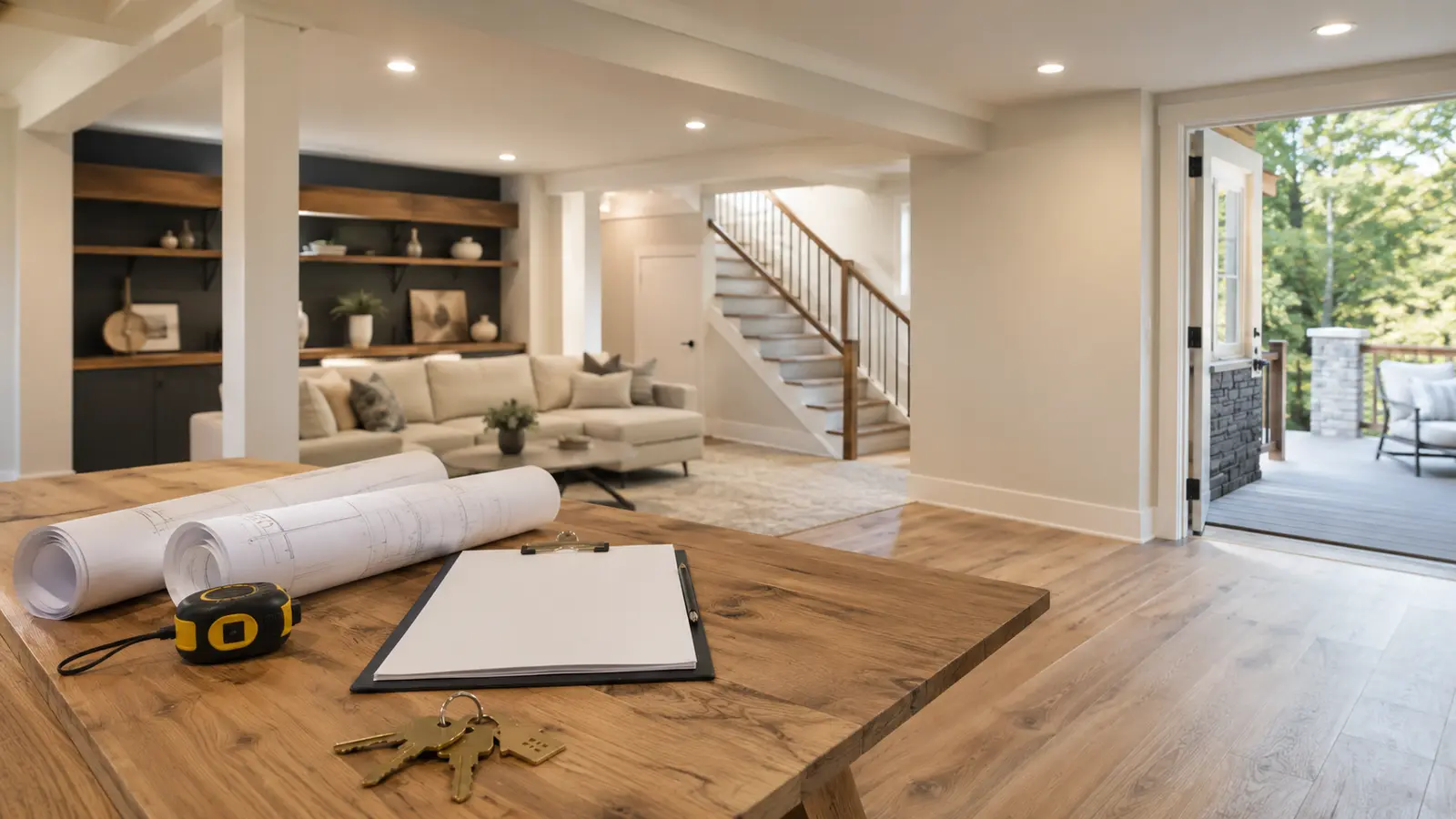
A beautifully finished basement or newer deck can help a Cobb County home stand out. But if the permit history is unclear, the same improvement can create questions during buyer due diligence, appraisal, insurance review, or closing.
The useful move is not to panic or make assumptions. It is to build a simple record of what changed, what the local authority can verify, and which questions need a qualified answer before the home reaches the market.
Start with the property’s correct permitting jurisdiction
A Cobb County mailing address does not, by itself, tell you which office governs every permit question. A property may be in unincorporated Cobb or within a city, and the correct process can depend on the address and project.
Confirm the jurisdiction first. Then use the appropriate building, planning, or records office rather than relying on a neighbor’s experience or a contractor’s memory from another location.
Build a renovation timeline before requesting records
Walk through the property and list the improvements that may have changed the structure, living area, electrical service, plumbing, mechanical systems, or site. Common examples include:
- finished basements and converted rooms
- decks, porches, additions, and enclosed spaces
- bathroom or kitchen relocations
- electrical-panel or major HVAC work
- retaining walls, sheds, pools, and detached structures
Add the approximate year, contractor name, receipts, plans, inspection cards, warranties, and any permit number you already have. This gives the records office and your real estate team a much cleaner starting point.
Compare three records instead of trusting one number
Sellers sometimes assume the tax record, listing history, and permit file will describe the house the same way. They may not. Each record serves a different purpose, and a mismatch does not automatically prove wrongdoing or establish that a space can be marketed as finished living area.
Compare the current physical layout with available permit records and county property information. If square footage, bedroom count, basement finish, or an addition appears inconsistent, flag it for property-specific review rather than quietly choosing the most favorable number.
Ask what each permit status actually means
Finding a permit is only the first step. Ask whether the record shows the work was issued, inspected, completed, closed, expired, or otherwise unresolved. Terminology and next steps can vary by jurisdiction and project.
Do not describe an open or missing record as “no problem” based on a quick search. The correct authority can explain its record, while a licensed contractor, engineer, electrician, plumber, or other specialist can evaluate the work itself.
Decide whether a pre-listing specialist review is warranted
A records search cannot tell you whether concealed work was built correctly. If a renovation raises a material safety, structural, electrical, plumbing, drainage, or code question, consider getting the right professional involved before photos and showings begin.
That extra time can help you separate a documentation issue from a physical-condition issue. It can also produce written information that supports a more accurate seller strategy.
Plan the marketing language around verified facts
Marketing should describe what buyers can see without overstating what has been verified. Be especially careful with phrases such as “permitted,” “to code,” “legal bedroom,” “professionally finished,” or a precise finished-square-footage claim unless the supporting facts are clear.
Carol can help coordinate the practical real estate side of that review. Legal disclosure questions should go to a Georgia real estate attorney, and technical code or condition questions should go to the appropriate authority or qualified professional.
Keep the solution proportional to the finding
Not every older project calls for the same response. Depending on the facts, the next step might be locating a final inspection, obtaining a copy of an existing record, requesting specialist documentation, asking the jurisdiction about its current process, adjusting marketing language, or completing corrective work.
Get written, property-specific guidance before spending money. A national checklist cannot tell you whether a particular Cobb County improvement needs a permit today or what a local office may require for prior work.
A practical pre-listing permit-record checklist
- Confirm whether the property is governed by Cobb County or a city.
- List renovations and major system changes by approximate year.
- Collect plans, receipts, contractor details, warranties, and permit numbers.
- Compare the physical layout with permit and property records.
- Clarify the status of any permit that appears open or incomplete.
- Escalate safety or condition questions to the right specialist.
- Use verified facts in listing copy and seller disclosures.
- Leave enough time before launch to handle follow-up questions.
Prepare the paper trail before buyers ask for it
A calm permit-record review can protect the listing timeline and make your answers more useful to buyers. Carol can help you organize the real estate questions, identify gaps worth resolving, and plan how to present the home accurately.
Thinking about selling a home in Cobb County, Cherokee County, or North Georgia? Schedule a consultation with Carol to build a property-specific pre-listing plan.
Helpful official resources
Always confirm current requirements directly with the authority that governs the property. This article is general real estate education, not legal, code, engineering, appraisal, or disclosure advice.