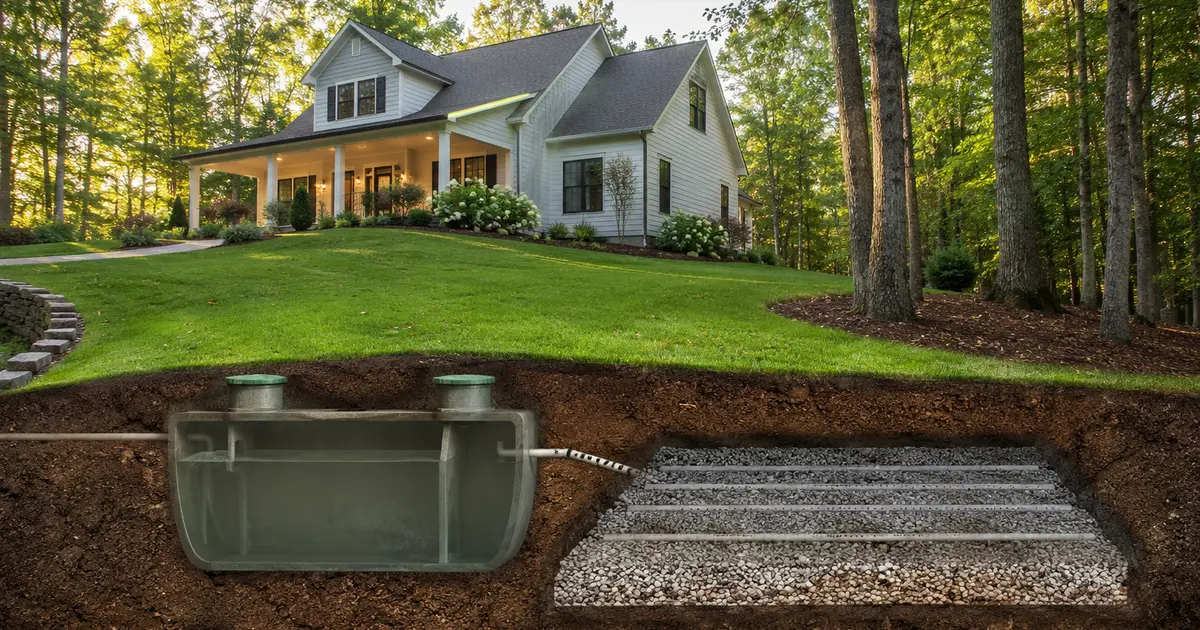
A wooded lot, extra elbow room, and a little distance from the bustle can be exactly what draws a buyer to a Cherokee County or North Georgia home. Then one line in the listing changes the due-diligence plan: private septic.
That is not automatically a problem. It simply means the property handles household wastewater on site, so the tank, absorption area, records, and land around them deserve the same attention as the roof, HVAC system, and foundation. The goal is not to become a septic expert before closing. It is to gather enough evidence to make a clear decision while your contract still gives you options.
Here are nine practical checks to put on your list when buying a home with a septic system in Cherokee County or elsewhere in North Georgia.
1. Confirm that the home actually uses a private septic system
Do not rely on assumptions based on lot size or neighborhood appearance. Ask whether the home is connected to public sewer, served by an individual onsite system, or part of another arrangement. The answer affects which records, inspections, and ongoing responsibilities matter.
If a listing or seller disclosure uses unfamiliar wording, ask for clarification in writing. A precise answer early helps you line up the right inspection and questions before due-diligence time gets tight.
2. Ask for permits, layouts, repairs, and service records
Records can help you understand when the system was permitted, where its components are located, whether work has been documented, and how the current owner has maintained it. Ask for any available:
- permit or installation documents
- tank pumping and service receipts
- repair or replacement records
- site sketches showing the tank and absorption area
- inspection reports from prior transactions
A missing receipt does not prove a failure, and a neat folder does not prove current condition. Records are one part of the evidence. Pair them with a property-specific inspection and current county guidance.
3. Locate the tank, drain field, and any reserved replacement area
A buyer should know where the working parts sit in relation to the house, driveway, trees, slopes, sheds, patios, and other improvements. The absorption area is not simply unused lawn. It performs a job, and heavy traffic, structures, grading, deep-rooted landscaping, or concentrated runoff can interfere with that job.
Ask the inspector or appropriate local authority to help interpret the available site plan. If the property has a designated replacement area, understand where it is and what that may mean for future use of the lot.
4. Order a septic evaluation that matches the property
A general home inspection and a septic evaluation serve different purposes. Talk with Carol about scheduling, contract deadlines, and the type of professional evaluation appropriate for the specific property. Ask the provider what the evaluation includes and what it does not.
Useful questions include whether the tank will be accessed, whether visible components will be evaluated, how the absorption area will be observed, and whether the provider will document limitations. If access is blocked or the system cannot be fully evaluated, treat that as missing information rather than a clean bill of health.
5. Read the yard, especially after North Georgia rain
Sloped lots and summer storms can reveal how water moves across a property. During showings and inspections, look for erosion channels, downspouts that discharge toward the system area, persistently soft ground, unusual vegetation patterns, or recent grading that changes drainage.
None of those observations alone diagnoses a septic problem. They are prompts for better questions. Surface drainage, groundwater conditions, soil, and the onsite system can interact, so let qualified professionals interpret what you see.
6. Match the system information to how you plan to live
Ask what the permit and available records indicate about the home the system was designed to serve. Then compare that information with the current house and your plans. A finished basement, added bedroom, accessory space, frequent guests, or a larger household can make this conversation more important.
Do not assume a room label in marketing materials answers a permitting or system-capacity question. Verify with the appropriate county office and professionals before treating future occupancy or renovation plans as settled.
7. Put additions, pools, workshops, and landscaping on the same map
Many buyers are attracted to North Georgia properties because they want room to add something later. Before you picture a pool, detached garage, garden, addition, or outdoor living area, compare that idea with the septic layout, setbacks, drainage, access needs, and any reserved area.
The question is not only, “Will it fit?” It is, “Can it fit without compromising the onsite system or creating a permitting conflict?” Confirm feasibility before assigning value to an unbuilt improvement.
8. Turn inspection findings into specific decisions
When the report arrives, separate observations into four buckets:
- Current condition: What did the provider actually observe?
- Access or test limitations: What could not be seen or evaluated?
- Recommended next steps: Is more investigation, service, or a specialist opinion suggested?
- Future constraints: Could the system location affect a planned use of the property?
Specific findings support better conversations than a vague label such as “old” or “fine.” If costs or corrective work are being considered, obtain written information from appropriate contractors rather than guessing from a national average.
9. Keep the due-diligence clock visible
Inspection scheduling, record requests, follow-up visits, contractor availability, and county questions all take time. Contract rights and deadlines vary, so discuss them promptly with your real estate professional and, when appropriate, a Georgia real estate attorney. This article is general real estate education, not legal, engineering, environmental, or septic-system advice.
The practical move is to decide who is requesting records, who is booking the evaluation, when the report is due, and what unanswered questions would prevent you from moving forward confidently.
A simple septic due-diligence checklist for buyers
- Confirm the property’s wastewater service type.
- Request available permits, layouts, service records, and repair history.
- Identify the tank, absorption area, and any reserved area.
- Schedule an appropriate septic evaluation within contract deadlines.
- Walk the site and note drainage, slopes, trees, and improvements.
- Compare system information with the current home and intended use.
- Map future projects before assuming they are feasible.
- Get written clarification for material findings and limitations.
- Track the deadline for decisions, requests, or further investigation.
Local guidance can make the process much easier
A septic system is one part of the property, but it can affect inspections, negotiations, renovation plans, and how you use the land. Carol can help you organize the right questions, keep the moving pieces visible, and coordinate a property-specific due-diligence plan with the appropriate professionals.
Considering a home in Cherokee County, Cobb County, or North Georgia? Contact Carol through West Legacy Realty to talk through the property, your plans, and the next questions to ask before you commit.
Helpful official resources
- U.S. Environmental Protection Agency: Septic Systems
- Georgia Department of Public Health: Onsite Sewage Management Systems
- Cherokee County Environmental Health
Always confirm current permit, inspection, and onsite sewage requirements directly with the applicable county authority and qualified professionals for the property.